The Andaman and Nicobar Islands stretch across 800 kilometres of the Bay of Bengal, south of Myanmar and west of Thailand. Most of the world barely knows this place exists. The people who do come rarely want to leave.
What Makes It Different
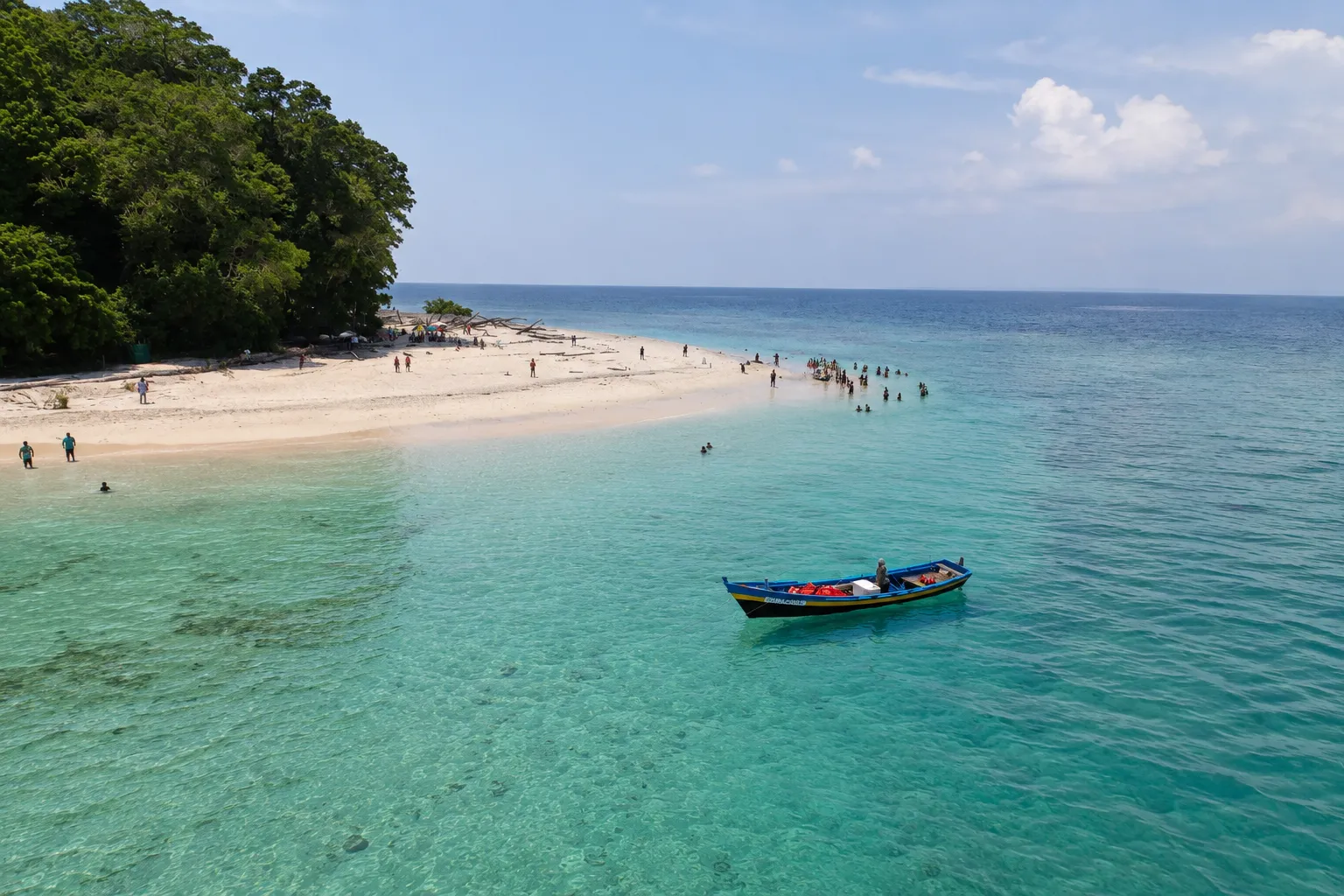
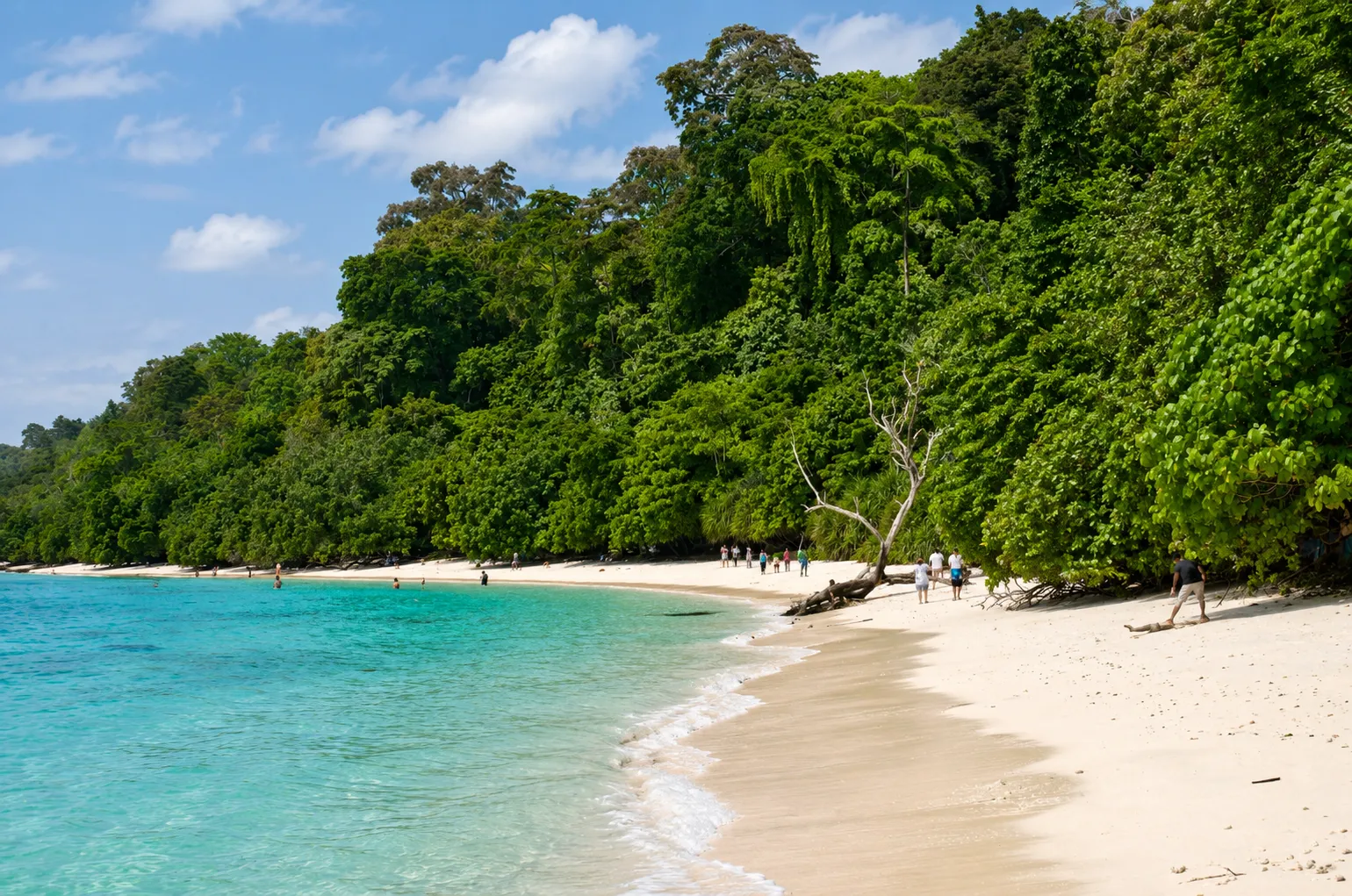
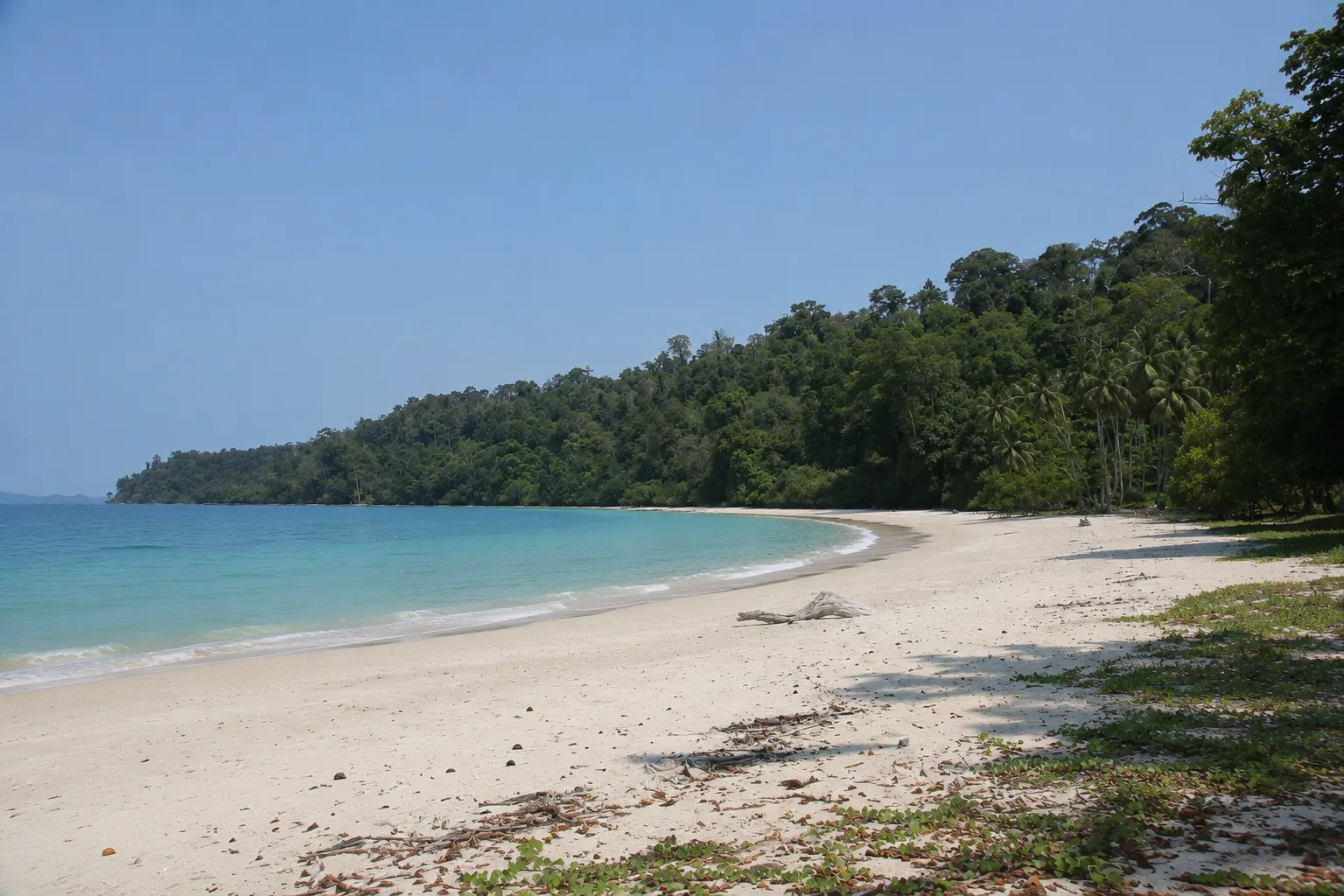
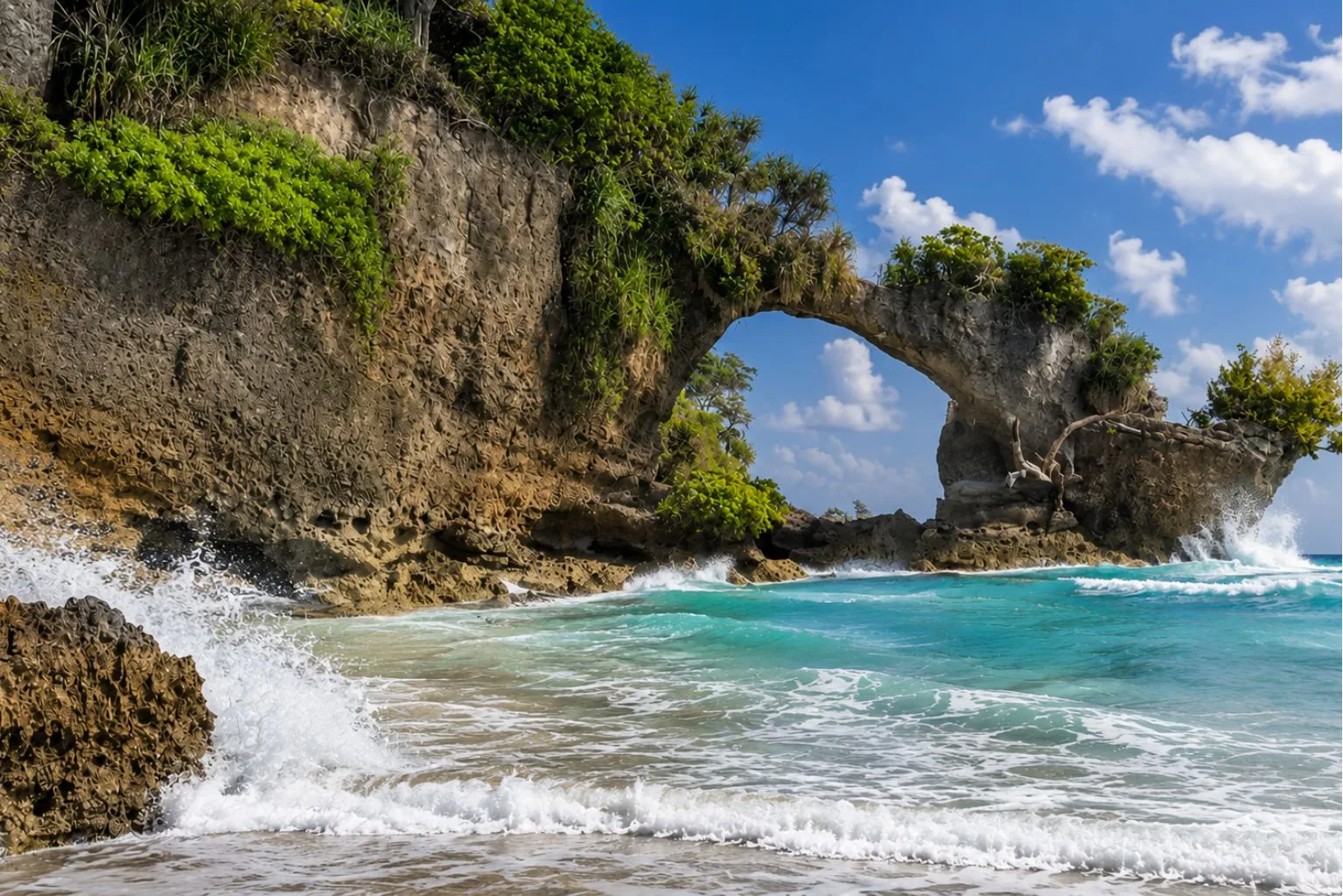
Over 92% of the land area is covered in forest. The surrounding reef systems are among the healthiest and most biodiverse in the Indian Ocean, with over 560 species of coral recorded. The beaches are Blue Flag certified. The skies at night are among the darkest in Asia.
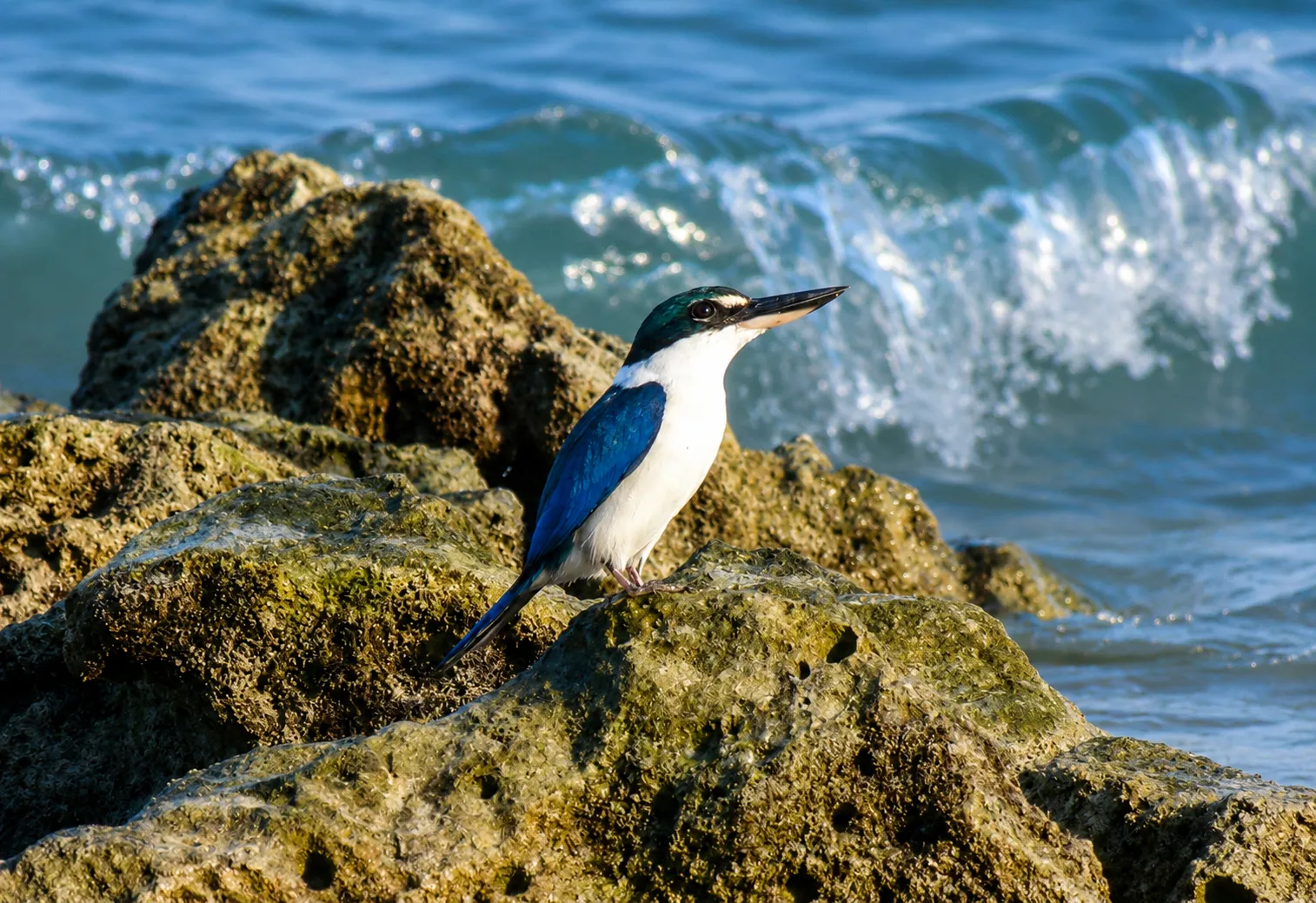
The Andaman sits within one of 12 Endemic Bird Areas recognized by BirdLife International in India, with over 30 bird species found nowhere else on earth, and new discoveries still being made.
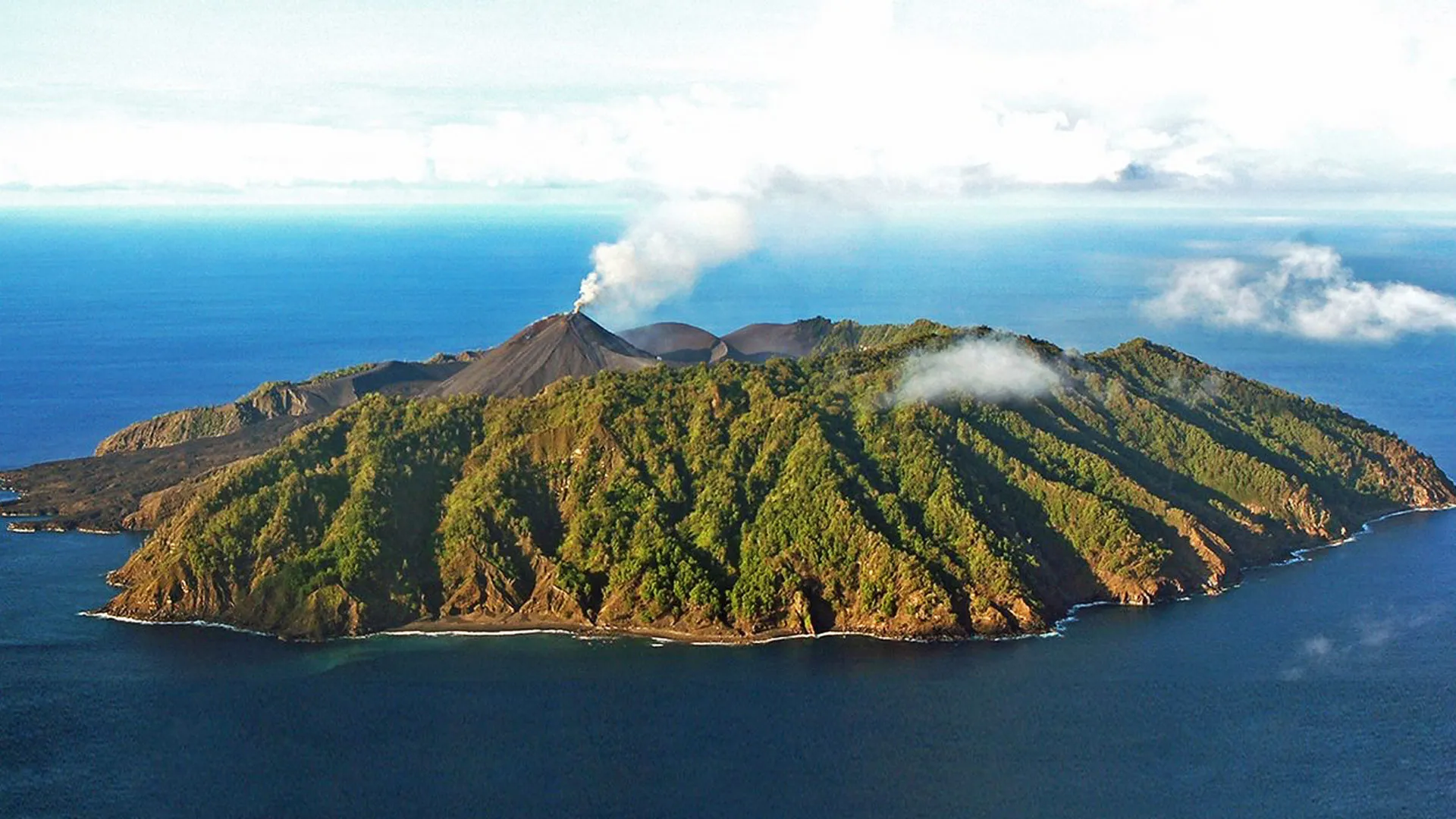
Beneath the waves, the archipelago is home to dugongs, manta rays, sea turtles, and reef communities in extraordinary health. And on Barren Island, India's only active volcano rises from the sea, creating one of the most dramatic and singular landscapes in the country.
The islands receive a fraction of the visitors of comparable tropical destinations. That is not changing quickly. Which is precisely what makes them so extraordinary right now.
Getting Here
Direct flights connect Port Blair to Chennai, Kolkata, Delhi, and Visakhapatnam throughout the year. Flights from Bengaluru, Hyderabad, and Mumbai operate seasonally. Chennai and Kolkata offer the most frequent year-round connections, with flight times of approximately 2 hours from both cities.
When to Visit
October marks the start of the tourist season each year. The heavy southwest monsoon clears by September and the islands emerge fresh and ready for visitors.
November, December, and January offer the most pleasant weather: mild sunshine through the day, cool evenings, and the occasional gentle shower. This is the ideal time for most activities.
From February, temperatures begin to warm. February and March are particularly well suited to scuba diving, with flat, calm seas and near-perfect underwater visibility.
April and May see warmer days, with the first showers arriving by late May. June through September is the monsoon season. The islands remain open and functional, most activities continue, and for those willing to visit in the rains, the landscape is at its most dramatic and the islands are at their quietest.
Peak season is December to March. The best time to visit depends entirely on what you are looking for.
Between the Islands
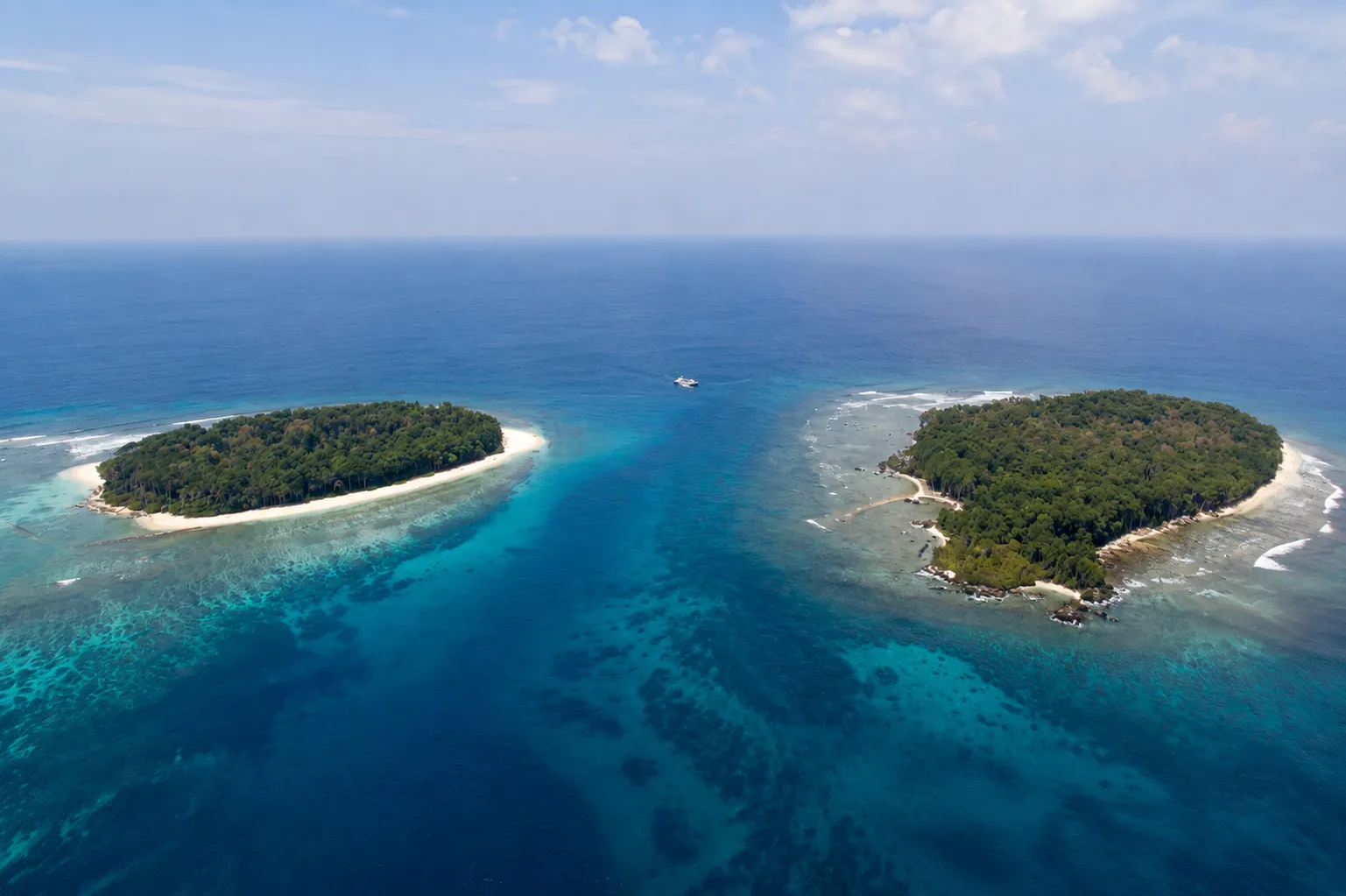
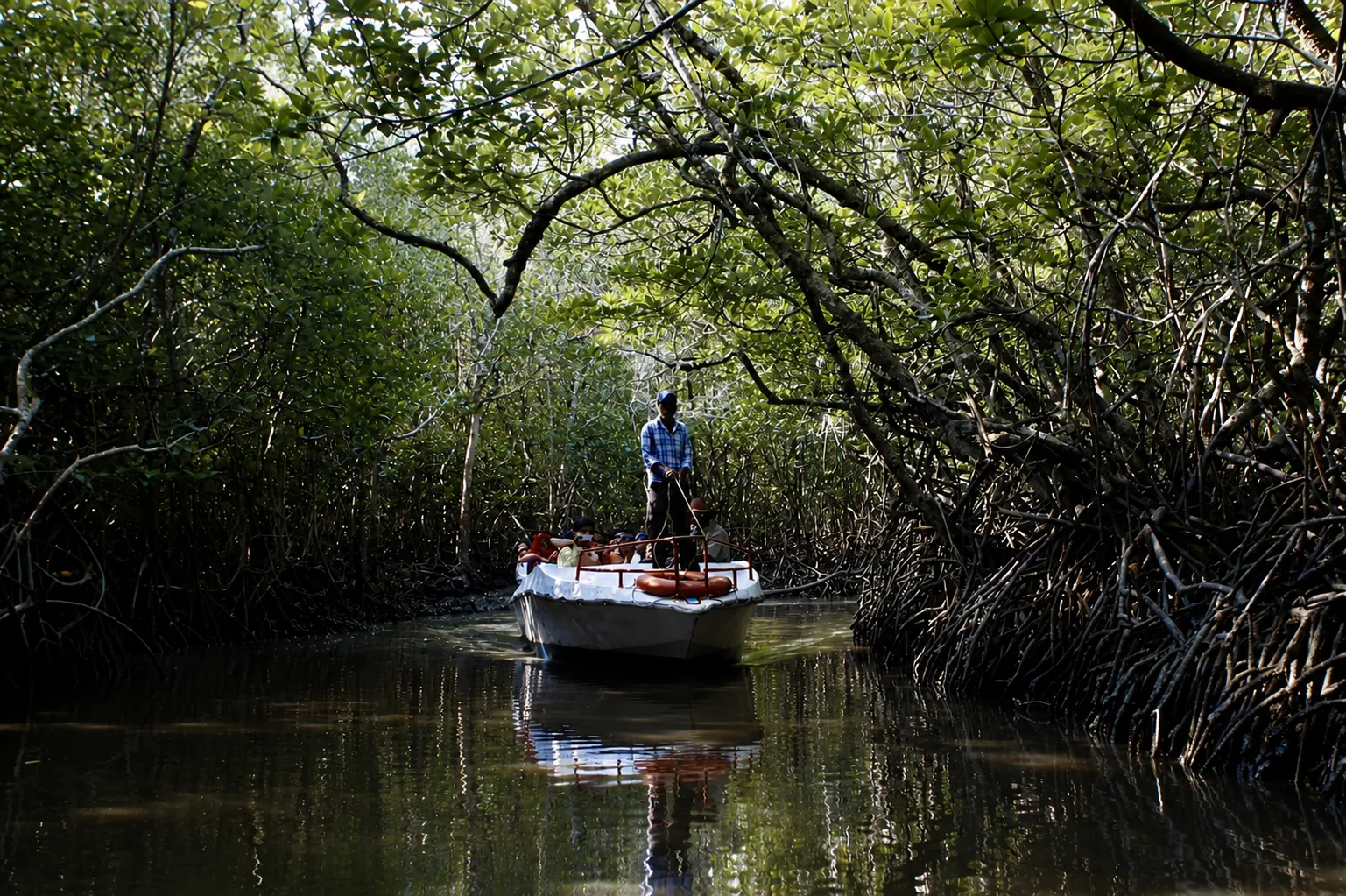
Ferry services connect the main islands. Private boat charters provide access to the outer islands. Some islands require advance permits to visit. We handle all arrangements for programs that include restricted or remote locations.
A Place Worth Protecting
The A&N Administration actively protects the archipelago's forest and marine environments. Certain marine park and forest zones require special permits. Responsible, low-impact travel is not an option here. It is the only kind permitted.




.webp)

.webp)